 Linkedin
Blog
 13
13Apr New Delhi
ENVIRONMENTAL REGENERATION AND REVERSING CLIMATE CHANGE: Innovative Disruptions for Sustainability
“Disruptive innovations improve our lives and their impacts can be profound, often in ways that are quite unexpected...”
Disruptive innovations improve our lives and their impacts can be profound, often in ways that are quite unexpected.
The world needs to deal with environmental and social issues such as resource scarcity, air and water pollution, climate change and increasing greenhouse gas emissions.The greatest challenge facing humanity is environmental degradation (deforestation, climate change, desertification) that contributes to scarcity of natural resources like water and farmable land. Environmental degradation is one of the primary factors contributing to diseases, health issues and reduced livelihood for the masses. These lead to mass exodus of the farming communities and migration to urban habitats; and thereafter living under deplorable conditions. Creating a congenial atmosphere by setting right some basic issues would result in the masses creating resilient habitats for themselves, in their native places, and generating good incomes within their backyard, to make rural living a happy wholesome existence.
Impact of agriculture on the environment arises from activities that contribute to soil erosion and loss of nutrients from the soil. Activities like intensive agriculture and excessive irrigation lead to land degradation, particularly salination, alkalization and water logging. The amount of agricultural land available is broadly fixed (or shrinking, given the pressures of urbanization). If the world is to feed its growing urban population, there must be an increase in food supplies. The only way food supplies can increase, with the limited land resources, is through higher levels of productivity per hectare and improvements in agricultural efficiency. Thus, increasing production and reducing waste are essential initiatives to feed the world’s growing population.
Causes of land degradation broadly include climate change, water erosion, land clearance/ deforestation, depletion of soil nutrients and overgrazing. Such land degeneration can be reversed through better farming techniques like planting a particular species of trees, that can fix Nitrogen and Carbon, which bring life back to the soil and bio-accumulate heavy metals at low concentrations into the tree trunk whilst reducing soil erosion and flooding. These trees produce valuable carbon neutral products such as biodiesel, bio-coal, biogas and bio-fertilizers, all of which create a growth-led Green Economy. The land transformation initiative is financially attractive besides supporting ecological sustainability. High returns on investments are assured through the sale of by-products from the annualized crops grown.
Let us talk about another scarce, and often callously used, natural resource - water.
Water is LIFE because plants and animals cannot live without water. Water is needed to ensure food security, feed livestock and to conserve the biodiversity and environment. Due to growing population, severe neglect and over-exploitation, water has become a scarce commodity. Water was available in plenty and was considered a free resource over generations, however, the growing demand and ill-disciplined lifestyle need immediate correction to ensure the ongoing supply of good quality water. Approximately 80-90% of potable water is used for agriculture, reflecting inefficient use of water, furthermore leading to a situation of water scarcity and sufferance to people dependent on agriculture. Water scarcity affects food production, biodiversity and the environment. The world has only finite amounts of fresh water, with a widening gap of more than 40% between the demand for, and supply of, fresh water amidst a growing world population. Of the total available sweet water in India, over 26% is lost due to evaporation, transpiration and water runoff. Only 18% of the rainwater is effectively utilized, whilst 48% enters the river and then the ocean.
Over-exploitation of ground water is a major concern. Farmers are over utilizing this resource due to the free power supply provided to them, leading to un-metered volumes of ground water pumping. Flood irrigation and over-watering result in wastage and depletion of ground water levels. Immediate attention is needed to increase the efficient use of water to conserve the resource. Global warming is posing another challenge as the water requirement for crops will increase due to higher evapo-transpiration.
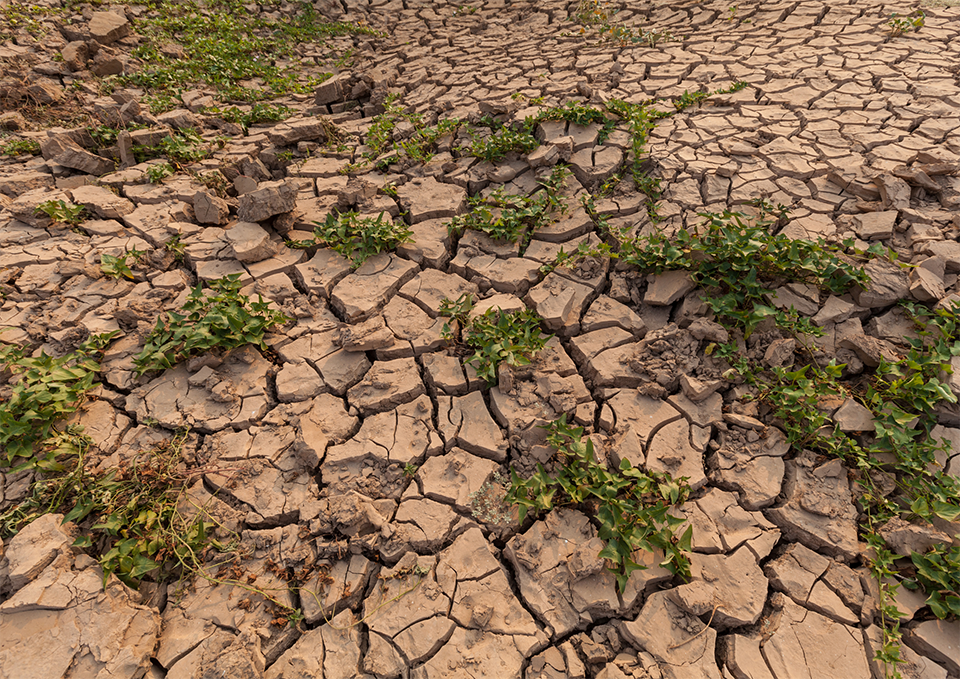
Water management is not only a financially profitable operation but will help serve future generations by harnessing potable water for their use. We can harness this incredible potential to serve mankind by conserving soil humidity and decreasing water evaporation, thereby SAVING water. We should neutralize damages caused by extreme climatic conditions and aspire to improve both physical and biological conditions of the soil. Dried out soil might turn water repellent, reducing water uptake from rainfall. The detrimental effects caused to the environment and resources may last for centuries, if not treated and rehabilitated today.
‘Greed over need’ of the human species has led to over exploitation of resources, upsetting the ecological balance that was nurtured over millions of years, and to continue on this path is a call for more intense environmental disasters leading to devastation of the social, economic and environmental systems. Sustainable administration of the earth’s natural resources is essential for future financial development and human prosperity. It is high time that we all got together to champion this cause of environmental regeneration.
Organizations and investors need to prepare for driving change, else their inactive response strategy will cost them dearly for years to come. Organizations that delay accepting the inevitable and continue as if the world is not changing, will cease to exist. Businesses need to welcome new products and services that help them address and respond to climate change, which will further help them to sustainably grow their businesses for the future. When the future is being seen so clearly, the sensible thing to do is to build bridges and not put up barriers to progress. It is not just technologies that can be disruptive – business models and processes also change the landscape of industries and the business environment.
We have people joining the mainstream enterprises who are more open to the environmental and social aspects of sustainability, but possessing that awareness is not enough. Leaders need to learn by practicing and promoting these concepts within all organizations. Exposure is only a start – practice and actionable execution helps rectify issues. These proactive actions will help create a congenial atmosphere for the rural citizens of the country and help them live life with their heads held high, residing in resilient economic habitats created through disruptive innovative activities of environmental regeneration and reversing climate change.
LET’S STOP TALKING ABOUT THE KNOWNS
LET’S START DOING THE UNKNOWNS!
popular post
-
ENVIRONMENTAL REGENERATION AND REVERSING CLIMATE CHANGE: Innovative Disruptions for Sustainability
New Delhi -
ENVIRONMENTAL REGENERATION AND REVERSING CLIMATE CHANGE: Innovative Disruptions for Sustainability
New Delhi -
ENVIRONMENTAL REGENERATION AND REVERSING CLIMATE CHANGE: Innovative Disruptions for Sustainability
New Delhi -
ENVIRONMENTAL REGENERATION AND REVERSING CLIMATE CHANGE: Innovative Disruptions for Sustainability
New Delhi -
ENVIRONMENTAL REGENERATION AND REVERSING CLIMATE CHANGE: Innovative Disruptions for Sustainability
New Delhi -
ENVIRONMENTAL REGENERATION AND REVERSING CLIMATE CHANGE: Innovative Disruptions for Sustainability
New Delhi -
ENVIRONMENTAL REGENERATION AND REVERSING CLIMATE CHANGE: Innovative Disruptions for Sustainability
New Delhi -
ENVIRONMENTAL REGENERATION AND REVERSING CLIMATE CHANGE: Innovative Disruptions for Sustainability
New Delhi
 Queries?Contact Now